What is Property Eviction: Meaning and Law (2026 Guide)

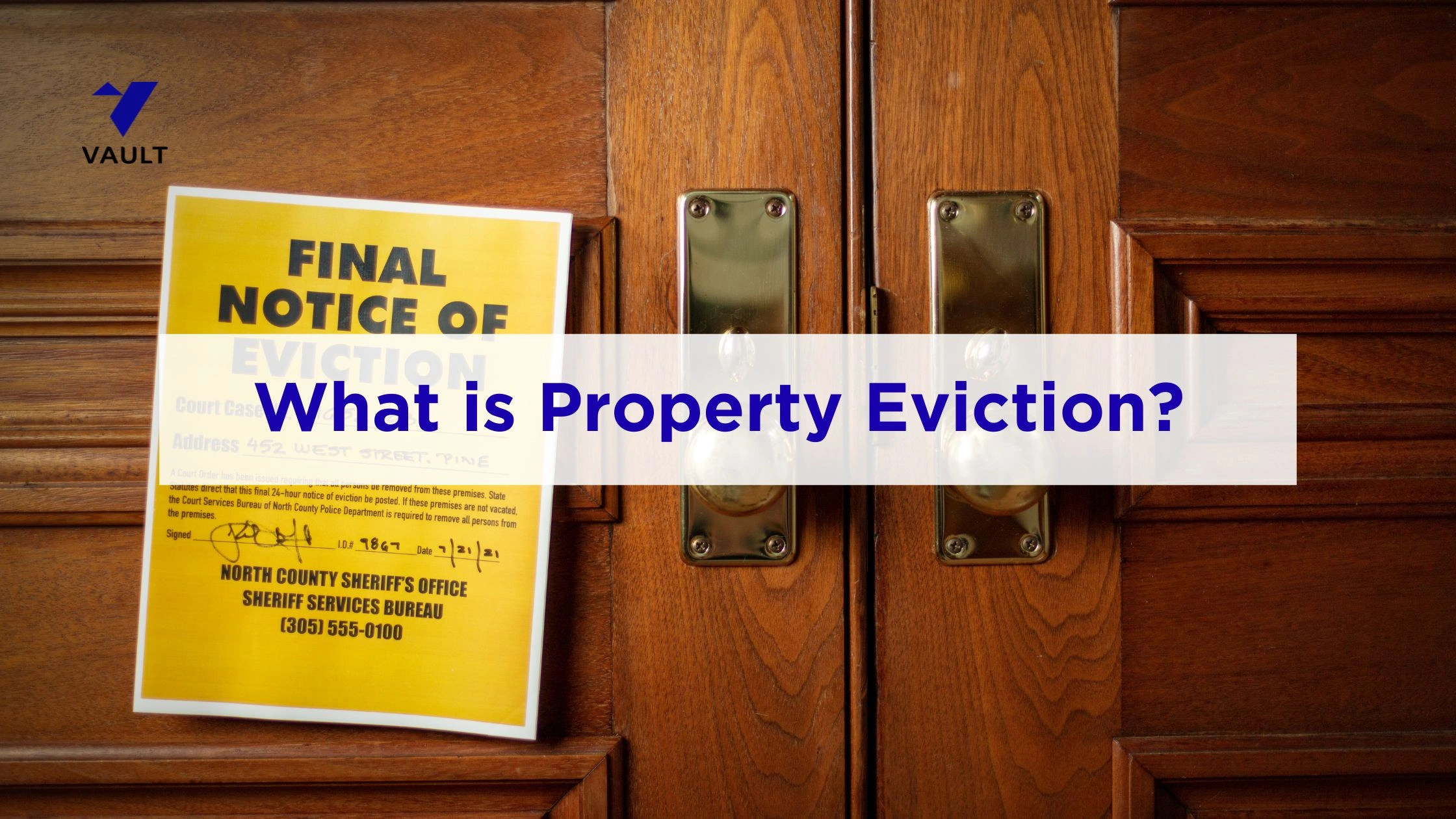
What is property eviction, types of eviction, valid grounds, notice period, legal process, and tenant remedies against wrongful eviction in India 2026.
Quick Summary (TL; DR)
Property eviction is the legal process of removing a person from immovable property they occupy without, or no longer having, a right to remain there, most commonly a tenant whose tenancy has ended or been lawfully terminated
Eviction in India is primarily regulated by the Transfer of Property Act, 1882 and state-specific Rent Control Acts, with Section 106 of the Transfer of Property Act prescribing a 15-day notice for monthly tenancies and a 6-month notice for yearly tenancies, unless modified by state law
A landlord cannot evict a tenant without due process of law; eviction must be backed by valid legal grounds and carried out through a court decree, with physical force by the landlord strictly prohibited
Wrongful eviction forcible removal without a court order exposes the landlord to a civil court injunction, reinstatement, damages, and criminal action, including an FIR and an application before the Executive Magistrate for restoration of possession
The Model Tenancy Act, 2026, where adopted by a state, establishes a three-tier dispute system Rent Authority, Rent Court, and Rent Tribunal intended to make eviction proceedings faster than the ordinary civil court route
What Is Property Eviction?
Property eviction is the legal removal of a person from immovable property, most often rented premises when that person's right to occupy the property has ended or been validly terminated, and they refuse to vacate voluntarily.
Eviction is not just a private matter. It is governed by strict legal procedures and safeguards to balance the rights of both landlords and tenants. A landlord cannot simply lock a tenant out or throw their belongings on the street. Eviction must happen only under legally recognised grounds and through due process of law.
What Are the Different Types of Property Eviction?
While "tenant eviction" is the most commonly searched and litigated form, the broader concept of property eviction covers several distinct situations, each governed by a different legal route:
Tenant eviction: removal of a tenant under a lease or rental agreement, governed by the Transfer of Property Act and state Rent Control Acts
Eviction of an unauthorised occupant or trespasser: a person occupying property without ever having a valid right to do so, which is addressed through a suit for possession rather than the tenancy-specific eviction route
Eviction from government or public premises: governed by the Public Premises (Eviction of Unauthorised Occupants) Act, 1971, which provides a summary procedure for evicting occupants of property belonging to the government or specified statutory authorities
Eviction following loan default and bank action: where a property has been mortgaged and possession is taken under the SARFAESI Act after default, following the statutory notice and procedure under that Act
What Is the Legal Basis for Tenant Eviction in India?
Eviction in India is primarily regulated by two sets of laws, the Transfer of Property Act, 1882, which defines rules around lease agreements and notices to quit and applies to most tenancy agreements unless overridden by state-specific rent laws, and state-specific Rent Control Acts, such as the Delhi Rent Control Act, the Maharashtra Rent Control Act, and the Tamil Nadu Buildings (Lease and Rent Control) Act, which impose stricter regulations on eviction, often to protect tenants from arbitrary eviction and excessive rent.
What Are the Valid Grounds for Evicting a Tenant?
Landlords in India have the right to evict tenants, but only on valid grounds, usually mentioned in the rental or lease agreement. The grounds most commonly recognised across states are:
Non-payment of rent where the tenant has missed payments for a certain period
Breach of the lease agreement, such as unauthorised subletting or use of the property for activities not permitted in the agreement
Personal requirement of the property by the landlord or a close family member
Damage to the property through neglect or misuse
Illegal use of the property, such as running an unlawful business
Expiry of the lease term, where the tenant refuses to vacate
Nuisance to neighbours, such as loud parties or disturbing behaviour
A single missed rent payment is usually not enough for eviction, but repeated defaults strengthen the landlord's case, and courts generally favour landlords provided default is proven through rent receipts, bank transfers, or rent ledgers.
What Notice Period Is Required Before Eviction?
Under Section 106 of the Transfer of Property Act, a 15-day notice is generally required for a monthly tenancy, and a 6-month notice for a yearly tenancy, unless modified by a state's Rent Control Act.
The notice must clearly indicate the reason for eviction, the notice period, and the tenant's obligations, with the usual length of time being 15 to 90 days depending on the ground and the applicable state law.
What Is the Legal Process for Eviction?
Stage | What Happens |
Legal notice | A written legal notice specifying the reason for eviction and giving the tenant 15–30 days (or as applicable) to comply or vacate |
Filing the suit | If the tenant does not comply, the landlord files an eviction suit in the appropriate civil court or Rent Controller's court, depending on the property's location and value |
Court proceedings | The tenant receives a copy and is summoned to court; both landlord and tenant present arguments |
Court order | If the court finds the eviction justified, it issues an order requiring the tenant to vacate within a specified time |
Enforcement | If the tenant still refuses, the landlord may request law enforcement to implement the court's order; self-help actions such as changing locks or disconnecting utilities are illegal |
Can a Landlord Evict a Tenant Without Going to Court?
No. A landlord cannot evict a tenant without due process of law. Eviction must be backed by valid legal grounds and carried out through a court decree. Protection from illegal eviction means landlords cannot forcibly evict tenants without following due legal procedures. Any attempt to change locks, throw out a tenant's belongings, or block access to the property is illegal and can result in criminal charges against the landlord.
This protection extends even to occupants without a strictly lawful tenancy: the Supreme Court has ruled that even an unlawful tenant's possession is protected under law, meaning self-help eviction remains illegal regardless of the underlying merits of the landlord's claim.
What Changes Has the Model Tenancy Act 2026 Brought to Eviction?
The Model Tenancy Act began in 2021 to make renting fairer and more transparent. It is not automatically enforced nationwide and must be adopted by individual states.
Where adopted, the changes relevant to eviction include:
A three-tier dispute system comprising the rent authority, the rent court, and the rent tribunal for resolution of rental conflicts
Eviction through a legal tribunal process where the tenant fails to make payments, misuses the property, or refuses to vacate after the agreement expires
Mandatory digital registration of the rent agreement with the Rent Authority within 60 days of signing for it to be legally enforceable
Security deposits capped at two months' rent for residential properties and six months' rent for commercial properties
What Remedies Does a Tenant Have Against Wrongful Eviction?
Wrongful eviction is forcible removal without a court order. Remedies include a civil court injunction, reinstatement, damages, an FIR under BNS Section 329, and an application under BNSS Section 144 before the Executive Magistrate.
Tenants have the right to receive legal notice, contest eviction in court, maintain access to utilities until the tenancy lawfully ends, and appeal against an eviction order. Illegal eviction can lead to criminal charges, civil claims for damages, tenant compensation, and police action against the landlord.
How Long Does an Eviction Case Take?
Eviction cases typically take 1 to 5 years in ordinary civil courts. Summary procedures under the Model Tenancy Act's Rent Courts, or under Order 37 of the Code of Civil Procedure, can resolve matters within 6 to 12 months with proper advocacy.
A landlord can also file a composite suit for eviction together with recovery of rent arrears under Order 20, Rule 12 of the Code of Civil Procedure, and the Model Tenancy Act additionally permits a claim of double or quadruple rent for the tenant overstaying beyond the agreed period.
Property Eviction Matters: Vault Proptech Assists
Vault Proptech assists landlords in Bengaluru with drafting compliant eviction notices, preparing documentation for eviction proceedings, and coordinating with property lawyers for court filings, while advising tenants on their rights and remedies where eviction is contested.