What Is Property Conveyancing? A Simple Guide Before You Buy or Sell a Property
Learn the meaning of What is property conveyancing, process involved, documents needed, costs, timelines, and why conveyancing is essential before you buy or sell a property in Bangalore.
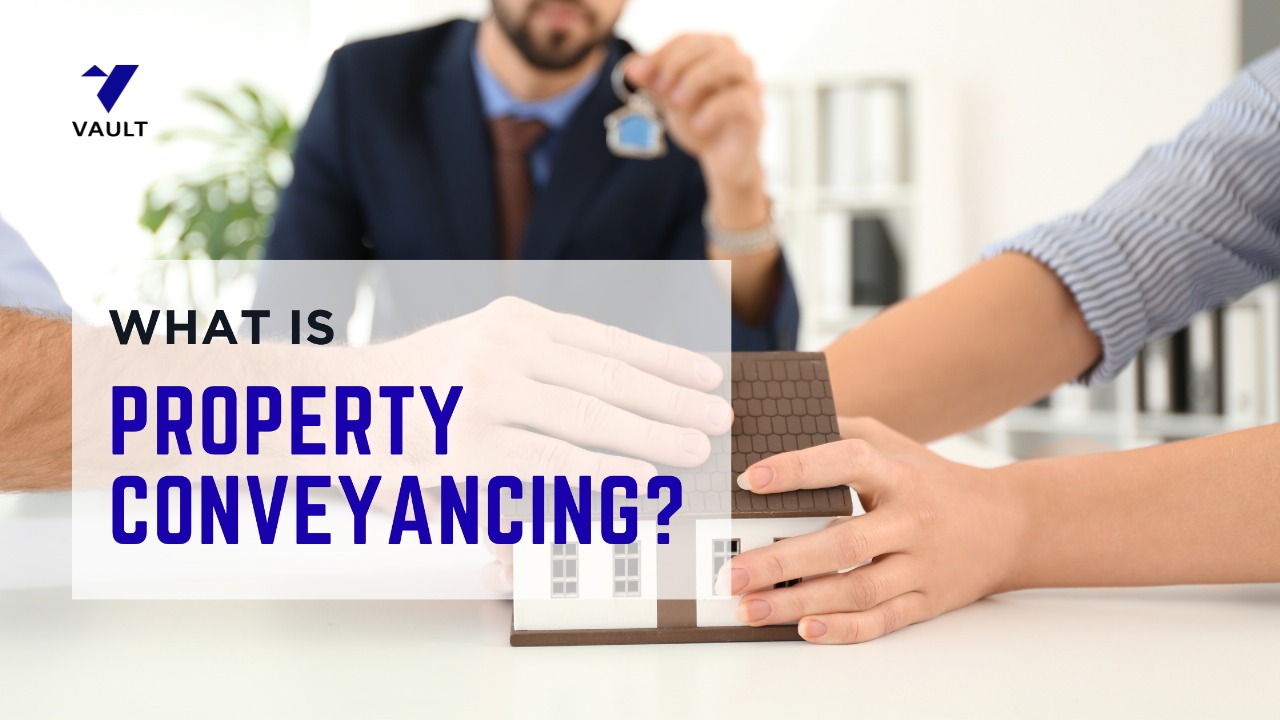
What Is Property Conveyancing?
Buying or selling a house is not as simple as signing few papers. There is a legal process that confirms the property truly belongs to the new buyer. This process is called property conveyancing.
Property conveyancing refers to the process of transfer of a house or land between one person to another in a legal way. It involves the verification of whether the property is authentic, clearing of dues, preparation of documents and lastly registration of sale such that the buyer is the legal owner of the property.
In simple words: Property conveyancing is the process that makes you the legal owner property.
Why Is Conveyancing Important?
If conveyancing is skipped or done carelessly, it can lead to serious trouble later, such as:
- Ownership disputes
- Hidden loans or mortgages
- Missing approvals
- Unpaid taxes
- Illegal construction issues
The property conveyancing process protects both buyer and the seller. It ensures that the transaction is transparent, safe, and legally valid.
Who Handles Property Conveyancing?
Conveyancing is usually managed by a property lawyer or document writer. They help you with:
- Changing ownership and title
- Verifying tax records and clearing
- Drafting or reviewing of agreements
- Calculating stamp duty and registration fees
- Coordinating with banks
- Registering the final sale deed
Documents Needed for Property Conveyancing
| Document | Purpose | Mandatory |
|---|---|---|
| Sale Deed / Title Deed | Proof of ownership | Yes |
| Encumbrance Certificate (EC) | Shows loans, disputes, or any legal claims | Yes |
| Khata Certificate / Extract | Property account details in local records | Yes (for urban areas) |
| Tax Receipts | Confirms that there is no pending dues (property tax, water, electricity) | Yes |
| Building Plan Approval & Occupancy Certificate (OC) | Confirms legal construction and safety | Yes (for apartments/buildings) |
| Mother Deed | Shows ownership history and chain of title | Not Always (required if title history is unclear) |
| ID Proofs (Buyer & Seller) | KYC and identity verification | Yes |
Having all documents ready speeds up the process.
Step-by-Step Conveyancing Process
| Stage | Process |
|---|---|
| 1. Pre-Contract Checks | The price is agreed. Then the Lawyer collects property documents and checks for disputes or loans. |
| 2. Draft Sale Agreement | A draft contract with terms, payments, and conditions is prepared. Both parties review the sale agreement. |
| 3. Legal Checks & Verification | The lawyer verifies tax receipts, khata, EC, approvals, and ownership history. |
| 4. Signing & Payment | The final sale deed is signed in front of two witnesses. Buyer pays stamp duty and registration fee. |
| 5. Registration | The sale deed is registered at the Sub-Registrar Office. Buyer’s name enters official land records. |
How Much Does Conveyancing Cost?
| Type of Cost | Estimated Amount |
|---|---|
| Legal Fee | ₹15,000 to ₹50,000 |
| Stamp Duty | 5% to 7% (varies by state) |
| Registration Fee | 1% of property value |
It may look like an extra cost, but it protects you from future disputes worth lakhs.
How Long Does Conveyancing Take?
Most property conveyancing processes take 7 to 15 days.
Delays may happen due to:
- Missing documents
- Title issues
- Bank loan processing
- Dispute checks
An experienced property lawyer helps avoid most delays.
How Vault Proptech Makes Conveyancing Easy
Vault Proptech helps buyers and sellers manage legal checks, documentation, and property registration in a smooth and organised way.
Our team supports you with:
- Title checks
- EC verification
- Khata updates
- Drafting and reviewing sale deeds
- Document collection and registration
You are kept informed at every step, while our experts handle the detailed paperwork.